
Do you feel like you're the one keeping a relationship together? Like, if you stopped checking in, apologizing, and smoothing things over, the relationship would fall apart?
What Is Anxious Attachment in a Toxic Relationship?
There are four common attachment styles: secure, anxious, dismissive-avoidant, and fearful-avoidant, which is sometimes called disorganized attachment. I've talked about all four in the past, but today I'm focusing on anxious attachment.
First, I want to clarify the difference between anxious and fearful-avoidant because both of them involve the fear of rejection. With anxious attachment, you may chase after love because you fear being abandoned. With fearful-avoidant attachment, you may want love but push it away when someone begins to see the real you.
Anxious attachment isn't necessarily the fear of being physically alone. It is the fear of being emotionally abandoned or losing your connection with someone you love. Physical separation can activate anxious attachment when it feels like rejection. For example, your partner walks out during an argument, and you're left wondering whether they still love you or whether they'll come back.
How Anxious Attachment Develops — And Why It Often Starts With the Family Scapegoat
Anxious attachment can develop when love and emotional safety are inconsistent. A parent, relative, or other caregiver may be loving one day and angry, rejecting, or unavailable the next. A child in the family scapegoat role may receive attention when they are helpful or agreeable but be blamed or rejected when they express their own feelings. They learn to work for love instead of trusting that it will be constant.
The pattern you learned with an inconsistent caregiver can continue in an adult relationship. When someone withholds attention, shuts you out, threatens the relationship, or calls you needy, you may try even harder to regain their approval. This can strengthen anxious attachment.
For example, a delayed message, a different tone of voice, or a request for space may feel like rejection. So, you may apologize, overexplain, give in, or repeatedly ask for reassurance. These are sometimes called protest behaviours because they are attempts to save a connection you fear you're losing.
Changing anxious attachment in a toxic relationship doesn't mean learning to remain calm while someone mistreats you. It means recognizing your reactions and beginning to change how you respond.

My Story: Growing Up With an Inconsistent Parent and Repeating the Pattern in Marriage
I have fond childhood memories, but what I remember most is not knowing where I stood with my mother.
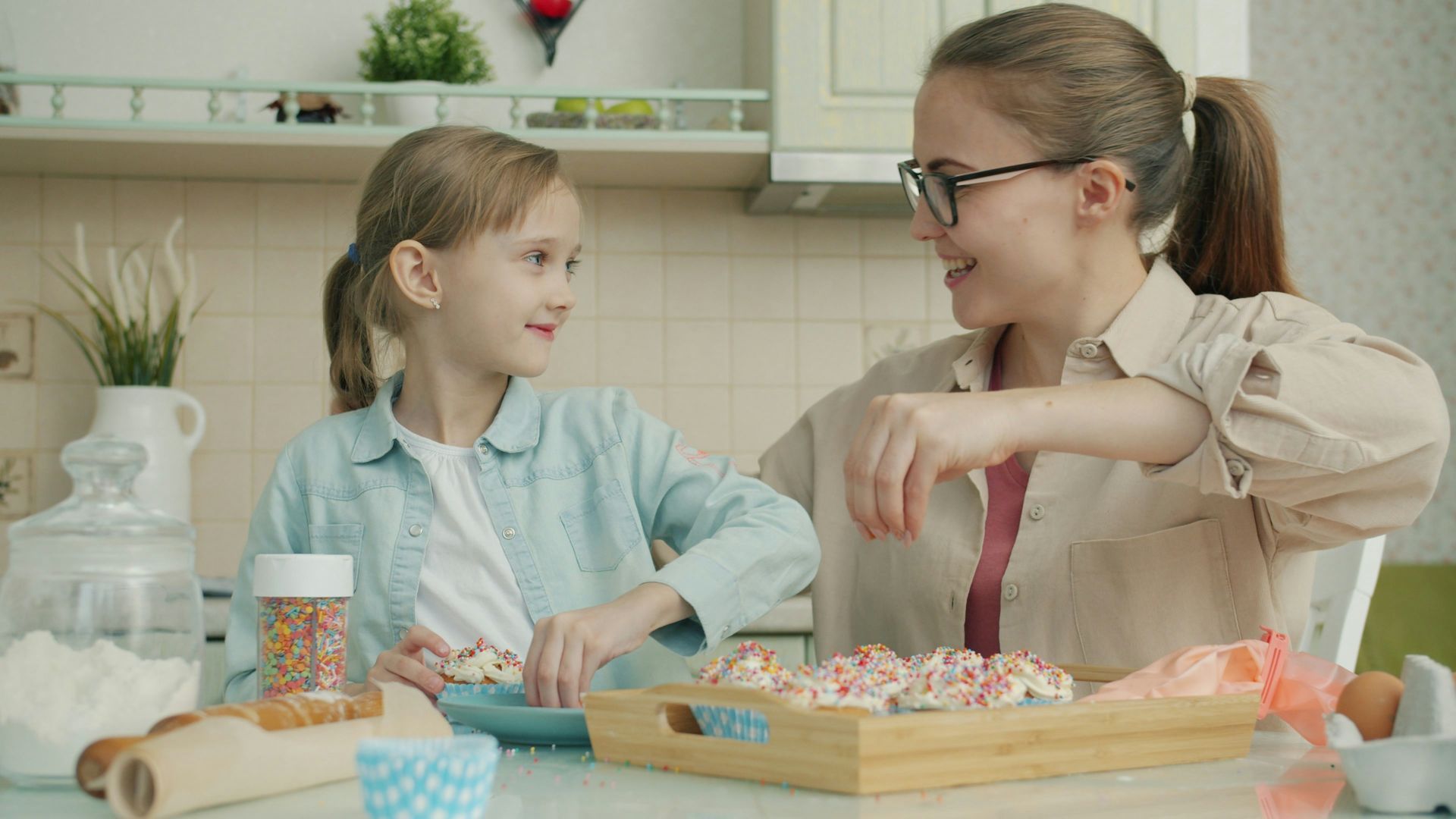
At times, she was fun and loving. We would spend Saturdays baking, talking and laughing together. Then it was as if a switch flipped and she became a different person, angry, distant, or critical. I never knew which version of her I would get.
So I learned to watch Mom's moods. If she was in one of her unhappy moods, I wondered what I had done wrong this time and how I could make her happy again. This taught me to put other people's feelings ahead of my own.
Years later, I found myself reacting the same way in my marriage.
My husband and I have had some great times together. Looking back, I can see those times were when I gave him all my attention and made him feel important.
But when I disagreed with him or spoke up about something important to me, he sometimes stopped speaking to me for days. At other times, he was cold and distant. I took those as signs that I had done something wrong, so I replayed everything in my mind, trying to figure out what it was.
Learning about anxious attachment helped me understand why I reacted this way in certain relationships, like my mom and husband. I looked to them for reassurance whenever I felt unloved or unsure of where I stood.
I decided I couldn't control how they behaved, but I could begin changing how I responded.
Here are five actionable life lessons that helped me begin changing this pattern. I hope they help you too.
5 Ways to Change Anxious Attachment in a Toxic Relationship
1. Learn to Recognize Your Anxious Attachment
I couldn't begin changing my anxious attachment until I understood what it was. I began noticing what happened in my body. My chest tightened. My stomach felt unsettled. I became restless or unable to think about anything else.
Then I noticed my thoughts. Why are they being quiet? What did I do wrong? How can I make this better?
If you are the family scapegoat, you may have learned to watch people closely. A change in someone's voice, expression, or mood may still set off an alarm inside you.
The next time you feel that sudden anxiety, ask yourself: "What am I noticing in my body, and what am I telling myself this means?" You don't have to judge yourself or change the feeling immediately. Just start noticing.
2. Stop Chasing Reassurance in a Toxic Relationship
When my attachment anxiety was activated, I looked to my husband for reassurance. I wanted him to tell me that everything was okay and our relationship was safe. Instead, he pulled away, I chased, and then he pulled away even more.
Wanting reassurance from someone you love is human. It becomes a problem when you repeatedly seek it from someone who has shown you they won't respond with kindness and care. When you feel the urge to call again, apologize, or explain yourself one more time, pause and say to yourself: "I need reassurance right now, but chasing it from this person has not made me feel safer." Then ask: "What can I do for myself instead?"
The goal isn't to stop having needs. It's to stop handing one person control over whether those needs are met.
3. Come Back to Yourself Before You Respond
When anxious attachment is activated, your body may feel as if something must be done immediately. You may believe you have to apologize, defend yourself, or repair the relationship right now.
That is a good time to try to ground yourself by using your senses. This brings your attention to the present moment and away from your racing thoughts.
You can try the five-senses exercise:
- Name one thing you can see.
- Name one thing you can feel or touch.
- Name one thing you can hear.
- Name one thing you can smell.
- Name one thing you can taste.
Then take a slow breath and remind yourself: "I'm feeling anxious, and that's okay. I'm noticing it and coming back to myself."
Calming yourself doesn't mean that the other person's behaviour is acceptable or that you imagined the problem. It gives you enough space to understand what is happening and decide what you want to do next.
4. Write About What Happened or Talk to Someone You Trust
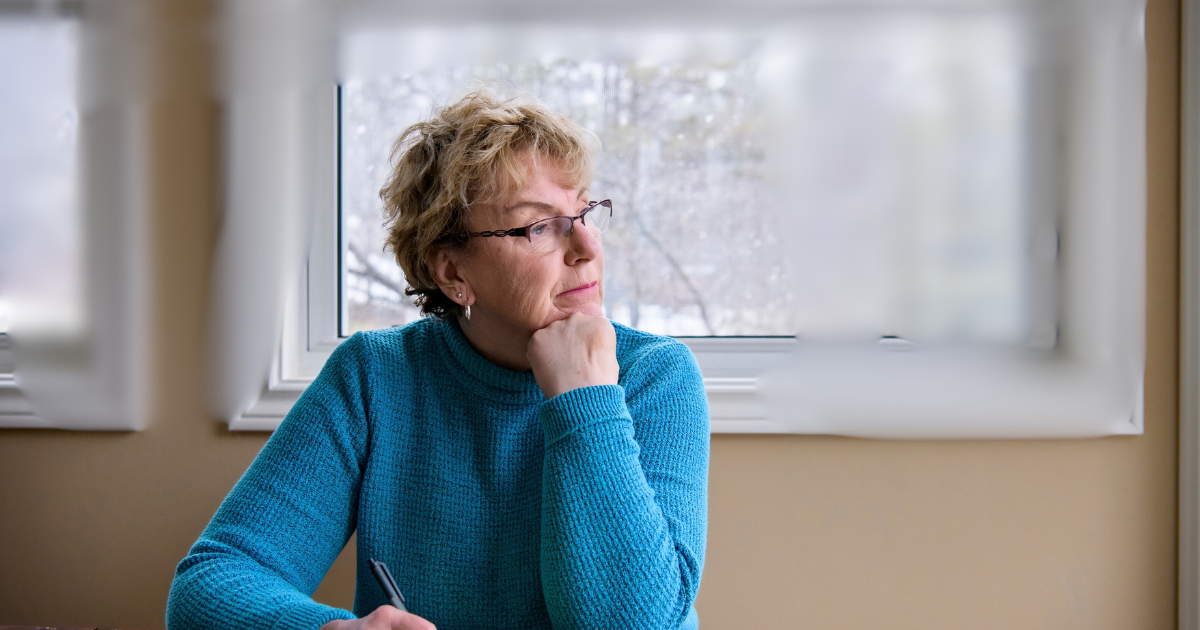
In a toxic relationship, your feelings may be dismissed, criticized, or used against you. Instead of repeatedly explaining yourself to that person, write about what happened or talk to someone you trust.
When I journalled about a situation, I asked myself three questions: What actually happened? How did it make me feel? What do I need right now?
Other times, I turned to someone I trusted. My brother was one of those people I could talk to without feeling judged. A safe person doesn't have to agree with everything you say. But they don't shame you, manipulate you, or use your vulnerability against you.
Writing about what happened or talking to someone you trust can help you understand your experience and trust yourself.
5. Enjoy Life With Others and on Your Own
Anxious attachment can cause your life to revolve around one toxic relationship. What you do and how you feel may begin depending on their interest or approval.
I started finding hobbies and activities that I could enjoy on my own. I still enjoyed doing things with other people, but I also started enjoying my own company.
Emotional independence doesn't mean isolating yourself or never needing anyone. It means you don't have to wait for someone else before doing something that matters to you.
Ask yourself: "What would I enjoy doing, even if no one else wanted to join me?"
Each time you do something you enjoy on your own, you discover more about who you are and rebuild trust in yourself.
As you begin changing these patterns, you can also show the children in your life something different.
How to Model Healthier Attachment for Your Kids
If you grew up watching a parent's mood to know if you were safe, you already know how easily that pattern can pass to the next generation without anyone meaning it to.
Kids don't need a parent who never has a bad day. They need to know that your bad day isn't their fault and doesn't change how much you love them. When you're overwhelmed or short-tempered, you can still say, "I'm having a hard moment, and it's not about you. I still love you." That one sentence does something a silent withdrawal never can. It tells a child that the connection is still there, even when your mood isn't steady.
Kids also notice how you look after yourself when you're upset. They may see you call a friend, go for a walk, or write in a journal instead of trying again and again to get reassurance from someone else. You're not trying to raise a child who never feels anxious. You're showing them that one person's mood doesn't have to control how they feel about themselves.
Conclusion: Changing Anxious Attachment Starts With Noticing the Pattern
Anxious attachment didn't start because something was wrong with you. It began because love didn't feel steady.
Watching moods, working for love, and chasing reassurance weren't signs of weakness. They were ways you tried to protect an important connection.
For many family scapegoats, the pattern you learned as a child can keep you stuck as an adult, especially in a toxic relationship where affection is often withdrawn. You can't make someone else become consistent, and you can't earn emotional safety from someone who doesn't offer it.
Change happens through small choices. You notice what is happening in your body and thoughts. Instead of chasing reassurance, you ground yourself. You write about what happened or talk to someone you trust. You also make time for a life you enjoy, both with others and on your own.
You aren't trying to stop needing love. You're learning that you don't have to put yourself aside to keep it.
Remember…
See the Pattern. Now What?
Choose to respond differently.
Warm regards,
Gramma Kate