
You know the relationship is hurting you. You can see the pattern clearly. And you've probably told yourself a hundred times that you need to walk away. But you can't.
That's trauma bonding. And it's not a character flaw. It's not a weakness. It's your nervous system caught in a cycle it doesn't yet know how to break.
And here's the part nobody talks about. That understanding trauma bonding doesn't automatically set you free. You can read every book, listen to every podcast, know exactly what's happening, and still feel that pull to go back by checking your phone, replaying conversations, and hoping the next moment will finally be different.
But there is a way to break through. And it starts with understanding what's actually happening inside you.
So what exactly is trauma bonding? And why does it have such a grip on people?
Trauma bonding occurs when a relationship cycles between pain and relief. Things get tense with criticism, silence, distance, or walking on eggshells. Then, suddenly, things get nice again with a kind word, an apology, or a moment when the person feels like the one you fell in love with.
And your whole body exhales. That's the part that hooks you. Not the pain, but the relief after the pain.
Your brain starts linking that person to both the hurt and the relief. So when things get tense again, your body goes into stress mode. And when things get good again, your body feels something that can genuinely feel like love. But that feeling isn't love. It's your body finally exhaling after all that tension.
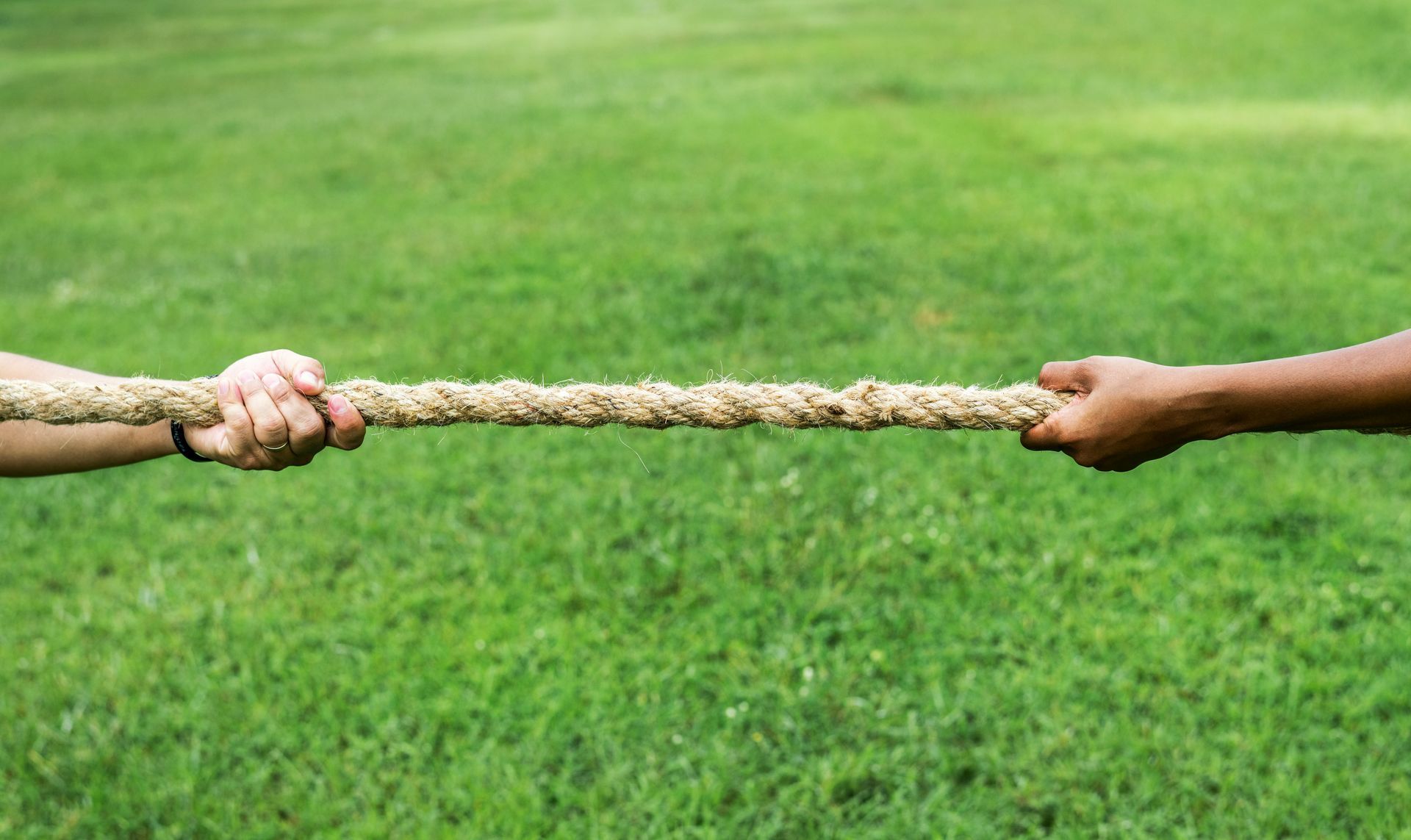
Then there's also something called breadcrumbing. That's when someone gives you just enough, such as a compliment here, a memorable moment there, a rare good day, to keep you holding on. And those crumbs can actually make things more confusing. Because when you finally feel safe enough to bring up the tension, like after an apology, that's often when the gaslighting starts. They say, "What are you talking about, things have been fine." "Why do you always have to bring this up?" "I just did something nice and now you're complaining?"
Suddenly, you're not talking about what hurt you. You're defending whether it even happened. After a while, you stop trusting what you felt. You start wondering if maybe you really are the problem.
But here's the hard truth. Healthy love isn't built on crumbs. Healthy love is steady. You shouldn't have to wait, wonder, and hope for the next good moment. It should just be there.
And then there's intermittent reinforcement, which sounds clinical, but it's actually something you've probably experienced. It means the good moments are unpredictable. You never know when they're coming. And because they're rare, your brain releases dopamine, which is the feel-good chemical, when the good times do arrive. Your brain starts chasing that feeling. It's the same reason people keep playing slot machines, and the same reason Pavlov's dog couldn't stop responding to that bell. Your brain gets wired to keep watching, waiting, and hoping for the next good moment. So you keep pulling the lever.
This is why trauma bonding can feel so physical. Even when your mind understands what's happening, your body still remembers the relief. Your nervous system is still waiting for the next good moment. You can know something isn't healthy, and still feel the pull to go back, hoping things will be different.
And this is where childhood patterns often come into play.
For those of us who grew up as the scapegoats in our families, this pattern can feel especially familiar. When you were the one who got blamed, love was never something you could count on. It came and went depending on the mood in the room or what someone needed that day. You learned to work hard for small moments of love. You learned that tension was normal, and that those rare loving moments, when someone finally approved of you, when the house felt calm, when someone actually saw you, were worth holding onto.
So when you find yourself in an adult relationship that follows the same rhythm, it doesn't feel wrong. It feels like home. Not because it's healthy. But because your nervous system has been practicing this dance since childhood.

The Moment I Recognized the Trauma Bond Cycle
Over the course of our marriage, my husband and I have had some big fights. And every time, the same thing would happen afterward. We would kiss and make up. At the time, it felt like a good thing. Like we were actually resolving something.
But over time, I started to notice it was really more like rinse-and-repeat. We’d argue. There was the same tension. The same emotional crash. And then the same moment of relief afterward. We weren't fixing anything. We were just cycling through it again.
After learning about trauma bonding, something finally clicked. I began paying attention to what was actually happening in my body after those fights. Not just what I was thinking, but what I was actually feeling.
And honestly? The relief felt really good. And that's exactly how trauma bonds keep working.
That moment of reconnecting after all that tension felt like love. It felt like things were okay again. I didn't question it. I just chased it.
So, the next time we had a big argument, I paid attention. I noticed a strong urge to fix it right away. To smooth everything over and get back to feeling close again. I could actually feel that pull in my body. But this time I did something different. Instead of rushing in to fix it, I sat with the discomfort. I let the silence be there. And honestly, it felt awful at first. My nervous system was used to resolving that tension quickly. It was used to getting that relief.
But I stayed with it. And after a while, something interesting happened. The feeling passed.
That was the first time I really understood that the urge to reconnect right away wasn't always love. Sometimes it was just my nervous system desperate for relief from the tension.
Then it happened again just the other night. Another moment of tension. And I noticed the same urge rise up. But this time it was easier to recognize. I was calmer. I didn't feel the same urgency to rush in and make everything okay.
I just let the silence be there. And again, the feeling passed.
And that was a big realization for me. The urge didn't mean I had to act on it. It was just my nervous system doing what it had learned to do. And when you start to understand that, something shifts. You don't have to react the same way you always have. You get to choose something different
5 Life Lessons for Breaking Trauma Bonds When You Can’t Let Go
Here are 5 life lessons I have learned about breaking trauma bonds that I hope will help you also.
Life Lesson #1: Name what's actually happening
One of the most powerful things you can do is simply name the pattern.
For a long time, I thought those cycles were just arguments followed by making up. Normal relationship stuff. But when I learned about trauma bonding, I started seeing it clearly: tension, hurt, a loving moment or apology, and then relief. Over and over again.
When you write that cycle down — or even just say it out loud — something shifts in your brain. You stop seeing each moment as a one-time mistake and start recognizing it as a pattern. And once you see the pattern, it becomes much harder to unsee it.
Life Lesson #2: Stop treating crumbs like a full meal
Trauma bonds survive on small crumbs of connection. A kind text. A quick apology. A rare good day that makes you think maybe things are finally changing. But crumbs are not the same thing as love.
Love is steady. It shows up consistently. It's not something you have to wait for and hope for, wondering when the next good moment will come.
When you begin to recognize crumbs for what they are, you stop treating them as proof that the relationship is healthy. And sometimes the healthiest thing you can do is create enough space so those crumbs stop pulling you back into the cycle.
Life Lesson #3: Calm your nervous system
One of the hardest parts of breaking a trauma bond is that the urge to reconnect can feel incredibly physical. It's not just a thought. It's a pull in your chest, a restlessness, an almost unbearable need to go fix it immediately.
That's your body remembering the relief that came after the tension. It's not weakness. It's just what your nervous system learned to do.
So when that urge shows up, try calming your body before you do anything else. Go for a walk. Take slow breaths. Step outside. Ground yourself in what you can see and hear around you. You're not arguing with your thoughts; you're just giving your nervous system something else to do until the wave passes.
Trauma bonds can make you feel incredibly isolated, like no one would really understand if you tried to explain it. But talking to a trusted friend, a therapist, or someone who has experienced trauma can make a real difference. You don't have to carry this by yourself.

Life Lesson #4: Rebuild the parts of yourself that got smaller
Over time, trauma bonds can quietly chip away at your sense of self. You stop doing things you used to love. You pull back from friends because it's easier than explaining what's going on. You start apologizing for having needs at all.
And slowly, without even noticing, you get smaller.
Part of emotional growth is finding those parts again. Your interests. Your friendships. Your goals. The things that make you feel like yourself, not like someone who is just surviving the relationship.
That's how you slowly start to trust yourself again. Not all at once. Just one small thing at a time.
Life Lesson #5: Healthy love feels different from what you expect
Here's something a lot of people don't warn you about. When you start moving toward healthier relationships, or when a relationship genuinely starts to shift, it can feel strange. Almost unsettling. You find yourself waiting for something to go wrong. You feel guilty for feeling okay. You even mistake the calm for distance, because your nervous system spent so long braced for the next wave of tension.
But that calm feeling isn't a problem. It's safety.
Healthy love doesn't come in crumbs. It doesn't make you walk on eggshells. It doesn't disappear the moment something goes wrong. It's just steady. And for a lot of us, steady is something we have to learn to trust all over again.
How to Model Healthy Relationships for Kids
And if you have kids, they are watching all of this.
Children are watching how the adults around them handle relationships. They may not understand the words, but they notice the patterns. They notice whether respect stays in the room during conflict or disappears. They notice whether problems get worked through or just swept under the rug.
So let them see that people can disagree and still treat each other with kindness. Let them see that it's okay to take up space, calm down, and come back to the conversation later.
And show them by example what they deserve. When you stop accepting crumbs, when you trust your instincts, when you choose relationships that feel safe, your kids are filing all of that away. They're learning what love is supposed to look like.
Children don't learn about relationships from lectures. They learn by watching how we live them.
Conclusion
Trauma bonding is one of those patterns that can keep you stuck for years without ever knowing why. You're not weak. You're not broken. Your nervous system just learned to find comfort in a cycle that was never really safe to begin with.
And understanding that — really understanding it — is when everything starts to shift.
When you can name the pattern, recognize the crumbs, sit with the discomfort instead of chasing relief, and slowly rebuild the parts of yourself that have gotten smaller, you start to find your way back to yourself. That doesn't happen overnight. But it does happen.
Because real love is steady. It doesn't keep you guessing. It doesn't come in crumbs. And you deserve nothing less than that.
"Remember, change begins with ourselves.
Put your knowledge into action and reach your full potential ."
Wishing you heartfelt warmth
Cathy/Gramma Kate