Is It Sibling Rivalry—Or the Family Scapegoat Role?

We hear the term sibling rivalry all the time. Brothers and sisters argue. They compete for attention. They push each other's buttons, and then they make up. That's a normal part of growing up in a healthy family.
But what if what you experienced wasn't really sibling rivalry? What if you were assigned a role in your family that followed you into adulthood?
Today, we're looking at the difference between sibling rivalry and the family scapegoat role. Because understanding that difference may finally help you make sense of your childhood—and why your siblings remember it so differently than you do.
5 Signs You Were the Family Scapegoat (Not Just Sibling Rivalry)
So, what's the difference between normal sibling rivalry and the family scapegoat role?
Sibling rivalry is a normal part of growing up. Brothers and sisters compete for attention. They argue. They push each other's buttons. But in a healthy family, parents try to be fair. They don't always get it right, but their goal is to help each child feel heard, valued, and loved. The conflict stays between the siblings. It doesn't become part of one child's identity.
The family scapegoat role is different. Instead of the conflict staying between the siblings, one child is consistently blamed. Different rules begin to apply. One child's thoughts and feelings are minimized while another child's needs take priority. Over time, that child isn't just treated differently. They begin to believe they are different. And unlike normal sibling rivalry, that role often follows them into adulthood.
So how do you know which one you experienced?
Here are five questions to ask yourself.
1. Who is creating or reinforcing the conflict?
In sibling rivalry, the conflict is mainly between the brothers and sisters. In the family scapegoat role, the parents often reinforce the pattern by taking sides, assigning blame, or treating one child differently than the others.
2. Are the rules the same for everyone?
In healthy families, the same behaviour gets the same response, no matter which child does it. In unhealthy families, one child may be criticized for behaviours that another child is allowed to get away with.
3. Can the roles change?
With sibling rivalry, the roles shift. Sometimes you're the winner, and sometimes you're not. With the family scapegoat role, the role doesn't shift. No matter what happens, somehow you end up being blamed.
4. Does the pattern continue into adulthood?
Most sibling rivalry fades as people mature and build their own lives. The family scapegoat role often doesn't. Family gatherings can still leave you feeling blamed, dismissed, or like you're walking on eggshells. The same family patterns simply continue with adult children.
5. What has it done to your ability to trust yourself?
Sibling rivalry can be frustrating, but it usually doesn't make you question your worth. The family scapegoat role often does. You may find yourself constantly wondering if you're overreacting, apologizing for things that weren't your fault, or needing other people's approval before trusting your own thoughts and feelings.
Now, "Why don't my siblings see what happened?"
The answer may be that they didn't experience the same family you did. Children can grow up under the same roof and still have very different childhoods. One child may become the golden child. Another may become the hero. Another may disappear into the lost child role. And another may become the family scapegoat. Each child experiences the family through the role they were given. That doesn't mean your siblings are lying. It doesn't even mean they don't love you. It simply means they may have experienced the same parents in a very different way.
Understanding that won't erase what happened. But it may help you stop questioning your own experience. And sometimes, that's the first step toward trusting yourself again.

My Own Story: When I Realized I Was the Family Scapegoat
Growing up, I thought what I was experiencing was just normal sibling rivalry.
My sister and I argued. We shouted at each other, called each other names, and fought over who had to clean our bedroom. She would borrow my clothes without asking, and then I'd see her wearing them at school. Boy, could she push my buttons.
My two younger brothers were six and eight years younger than me, so I didn't have the same kind of relationship with them.
For years, I believed this was simply what happened between brothers and sisters.
But there were things I couldn't make sense of.
My parents spent a lot of time and money supporting my sister's passion for horses — riding lessons, competitions, everything that went along with it. I remember questioning my mother about it, since she often talked about not having enough money.
I also remember my mother getting upset with me when my grandparents gave me a birthday present that was nicer than my sister's. I hadn't asked for nicer gifts. My sister wasn't upset with me. My grandparents weren't upset with me. Somehow, I was still the one who had to fix it.
It was the same pattern, over and over. Whenever something felt unfair to my sister, or my brothers, I was the one expected to make it right — even when I hadn't done anything wrong.
At the time, I didn't have the words for it. I thought it was just sibling rivalry. It wasn't until years later, when I started learning about narcissistic family dynamics and the family scapegoat role, that everything began to make sense. I remember thinking, "That's me." For the first time, I realized this wasn't simply siblings who didn't get along. I had been given a role in my family. And understanding that difference changed everything. It became the beginning of learning to trust myself instead of questioning myself.
Now, here are five ways I wish someone had told me back then how to respond.
See the pattern. Now what?
Get a free family scapegoat cheat sheet and a one-minute reflection every Monday morning.
5 Life Lessons for Healing from the Family Scapegoat Role
1. Learn the Difference Between Conflict and a Family Role
Not every difficult relationship between brothers and sisters is sibling rivalry. Healthy siblings fight. They tease each other. They get on each other's nerves, and then they move on.
The family scapegoat role is different. One child is repeatedly treated as the problem while the family members continue to see them through that role.
Understanding that difference can be life-changing. It helps you stop asking, "What's wrong with me?" and start asking, "What role was I assigned?"
How to Respond: Before blaming yourself, ask, "Is this normal sibling rivalry, or was I repeatedly given a role in my family?"
2. Your Siblings Can Have a Completely Different Childhood Than You Did
Birth order, personality, and family roles all shape how each child experiences the same house. Different memories don't mean someone is lying. They mean you didn't live the same childhood.
How to Respond: Remind yourself that different memories don't automatically mean someone is lying.
3. Stop Waiting for Your Siblings to Validate Your Experience
Many family scapegoats spend years waiting for a sibling to finally say, "You're right. That wasn't fair." Sometimes it comes. Often it doesn't.
Waiting for it keeps your healing in someone else's hands. Believing yourself puts it back in yours.
How to Respond: Your healing doesn't have to wait for their agreement.
4. Compare Patterns, Not Individual Events
Every family has bad days — arguments, misunderstandings, moments that weren't fair. One bad day doesn't make someone a scapegoat. A pattern does. Were you repeatedly blamed? Did you leave gatherings questioning yourself? The pattern tells you more than any single incident ever will.
How to Respond: Look for the pattern, not just the incidents.
5. Focus on Building Your Future Instead of Proving Your Past
Once you see the role you were given, it's tempting to spend years trying to prove it was real. But healing isn't about winning the argument. It's about choosing a different future. Every healthy boundary you set. Every time you trust your instincts instead of overriding them. Every time you stop carrying someone else's emotions. That's the pattern breaking. That's where healing begins.
How to Respond: Self-trust grows when you stop trying to win the argument and start living differently.
How to Raise Siblings Who Don't Compete for Love
If you're a parent, grandparent, or another caring adult, remember this:
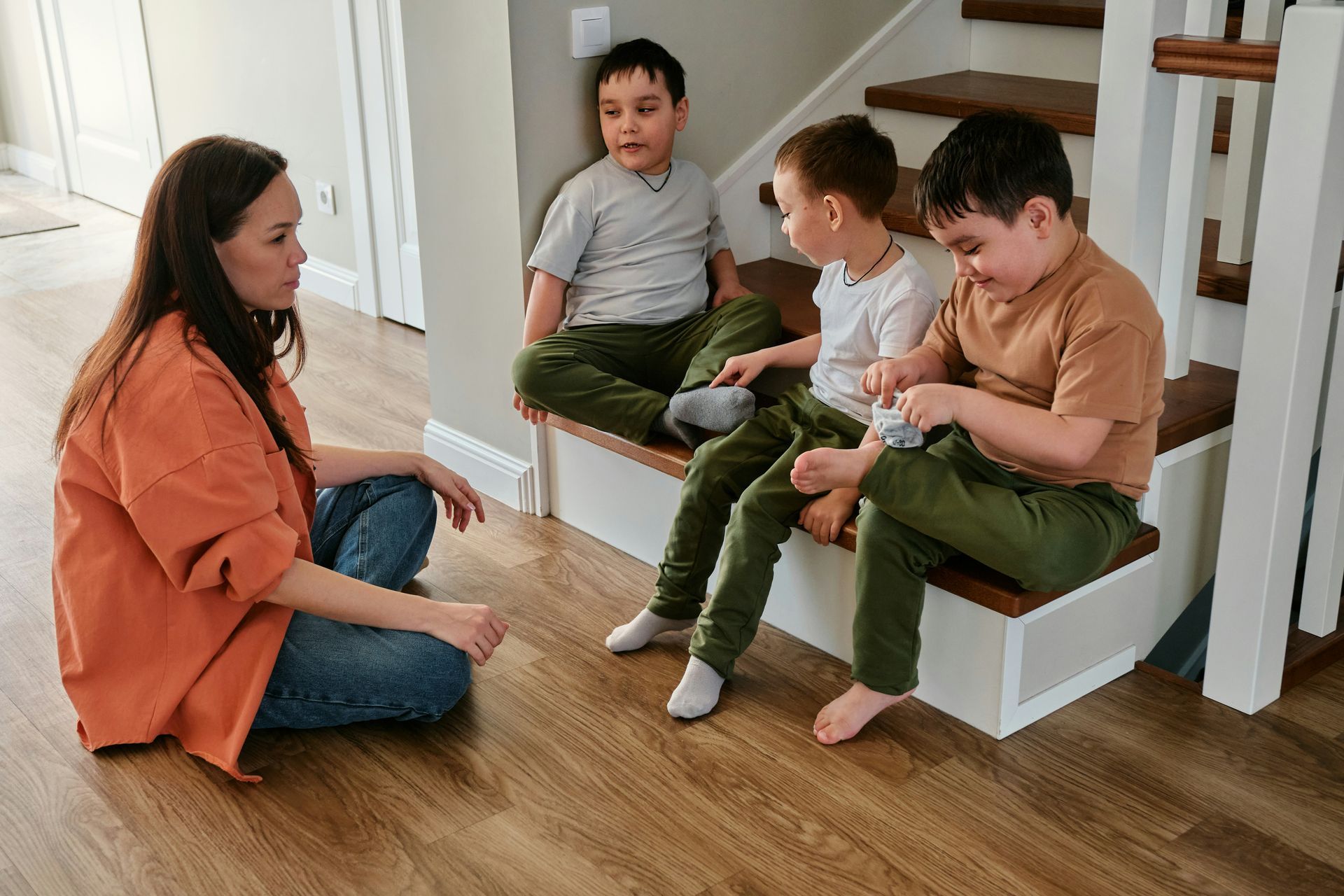
Healthy sibling relationships don't happen because children never argue. They happen because children know they are equally loved, equally valued, and equally responsible for their own behaviour.
When disagreements happen, avoid taking sides or assigning one child a permanent role. Instead, listen to each child's perspective, hold everyone to the same expectations, and help them work through the conflict together. The goal isn't to decide who is the "good child" or the "difficult child." The goal is to help each child learn how to solve problems, take responsibility for their own actions, and repair the relationship.
Children may not remember every argument they had growing up, but they will remember how they were treated. When they know they are seen, heard, and valued equally, they develop something far more important than getting their own way. They develop confidence, self-worth, and trust in themselves and the people who love them.
Conclusion: You Don't Need Your Siblings' Validation to Trust Yourself
Sibling rivalry and the family scapegoat role can look similar on the surface. But they are not the same thing. One is a normal part of growing up. The other is a role that can be assigned, reinforced, and carried into adulthood.
If you've spent years wondering why your siblings don't remember your childhood the way you do, it may not be because one of you is right and the other is wrong. It may simply be because you didn't experience the same family, even though you grew up in the same house.
You don't need your siblings to agree with you to trust yourself. You don't need them to validate your experience for it to have been real. You see the pattern. Now what? Now, you stop asking, "What's wrong with me?" You start asking, "What role was I given?" And then you begin making different choices. One healthy boundary. One new response. One step at a time. That's when healing begins.
Remember…
See the Pattern.
Now What?
Choose to respond differently.
Wishing you heartfelt warmth
Gramma Kate