

Back-to-school shopping lists are full of the usual supplies: pencils, folders and glue sticks. But if you have a child who struggles with reading, there is a good chance the list is missing a few simple items that could make reading practice easier at home.
Every August, parents of struggling readers face the same quiet worry. Another school year is starting, and reading is still a battle. Homework may end in tears, and confidence can dip with every difficult worksheet.
The good news? A few small, inexpensive tools can make a real difference. You don’t need special training or a big time commitment to use them. Just five or ten minutes of relaxed practice can help reading feel more manageable.
Here are three surprising back-to-school supplies worth adding to your cart this year.
1. A Small Whiteboard and Erasable Markers
A whiteboard makes reading practice feel more like play and less like a test. There is no permanent reminder of getting something wrong. Your child can simply wipe it away and try again.
Use the whiteboard to practise:
- Uppercase and lowercase letters
- Letter sounds
- Beginning sounds
- Sight words
- Short, familiar sentences
A few minutes before or after dinner is plenty. Keep it short, relaxed and encouraging.
2. Sticky Notes in Several Colours
Sticky notes are one of the most flexible tools for a beginning or struggling reader.
Write simple words on them and label familiar objects around your home. A sticky note that says “door,” “chair,” or “lamp” helps your child connect the written word to something they already know.
You can also place sight words on the refrigerator or bedroom door and practise a few each day.
While reading together, let your child use sticky notes to mark words they recognize on the page. Each word they find becomes a small, visible success instead of reading feeling like one long struggle.

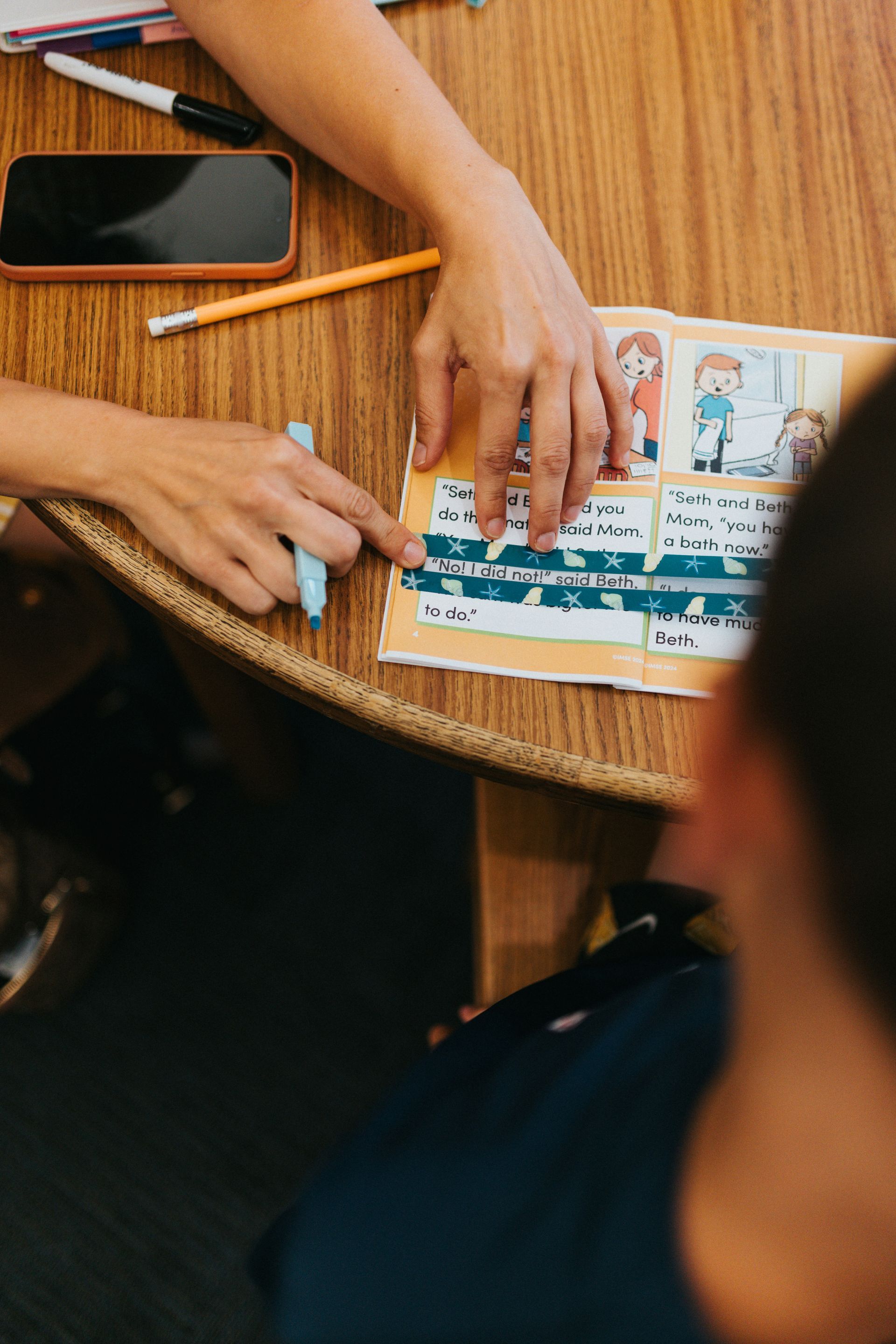
3. A Bookmark or Reading Window
A full page of text can feel overwhelming to a child who is still building reading confidence. It is also easy to lose their place or accidentally skip a line.
A regular bookmark placed beneath the line can help your child track the words more easily. A reading window strip goes one step further by showing only one line of text at a time.
This keeps your child’s eyes focused, reduces distractions and makes the page feel less intimidating. Instead of facing an entire page, they only need to focus on the words directly in front of them.
Start With One Small Change
None of these tools cost much, and you don’t need special training to use them. What makes the difference is consistency: a few relaxed minutes each day with a tool that fits where your child is right now.
If back-to-school season has you wondering how to support your reader, start small. Choose one of these three items and add it to the cart beside the pencils and folders.
Sometimes a small change in the tools you use can lead to a big change in a child’s confidence.
Does your child need extra help with reading?
Learn about my one-on-one online reading support for children in Grades K–3, designed to build reading skills and confidence.